

Administrative professionals are the backbone of any office, keeping things running smoothly day in and day out. They juggle tasks, manage schedules, and often smooth over unexpected bumps in the road. But sometimes, all that hard work doesn’t get the spotlight it deserves. This is where recognition comes in. Understanding why recognition matters, especially through awards and appreciation, can really change things for admin careers. It’s not just about a pat on the back; it’s about making sure these vital team members feel seen and valued.
Key Takeaways
- Administrative professionals are essential for organizational efficiency, handling a wide range of tasks with adaptability and resilience.
- Recognition directly boosts team morale, combats disengagement, and increases employee loyalty and productivity.
- Simple, everyday gestures like spontaneous praise and personalized notes are effective for showing appreciation.
- Tailoring recognition to individual preferences and celebrating unique skills makes appreciation more meaningful.
- Long-term initiatives, such as professional development and work anniversary rewards, build a sustained culture of gratitude.
The Indispensable Role of Administrative Professionals
Administrative professionals are the backbone of any successful operation. They’re the ones keeping things running smoothly, often behind the scenes, making sure everyone else can do their jobs without a hitch. It’s easy to overlook the sheer volume of tasks they manage, but their work is truly what holds an organization together. Think about it: without them, schedules would be chaos, communication would break down, and important details would likely slip through the cracks. They are the glue that keeps the operational gears turning.
What exactly do administrative professionals do? It’s a lot more than just answering phones or filing papers. Their duties can span a wide range, requiring a unique blend of organizational skills, communication abilities, and problem-solving talents. They often act as the first point of contact for clients and visitors, manage complex calendars, coordinate meetings and travel, handle correspondence, prepare reports, and maintain vital records. It’s a role that demands constant attention to detail and the ability to multitask effectively.
- Scheduling and Calendar Management: Keeping track of multiple calendars and ensuring no conflicts arise.
- Communication Hub: Managing emails, phone calls, and internal memos.
- Information Management: Organizing and maintaining important documents and databases.
- Event Coordination: Planning and executing meetings, conferences, and office events.
- Travel Arrangements: Booking flights, hotels, and transportation for staff.
The administrative role is multifaceted, often requiring individuals to be adaptable and proactive in anticipating needs. They are the unsung heroes who ensure that the daily operations of a business proceed without disruption, allowing others to focus on their core responsibilities.
When you look at how smoothly an office operates, a lot of that credit goes to the administrative team. They create and maintain systems that make everything more efficient. This includes everything from setting up meeting rooms and ensuring supplies are stocked to managing databases and streamlining workflows. Their efforts directly impact the productivity of everyone else in the company. If the administrative processes are solid, the entire organization benefits. It’s like having a well-oiled machine where every part works together, and the admin team is often the chief mechanic.
One of the most impressive qualities of administrative professionals is their ability to adapt. Things rarely go exactly as planned in an office environment. Last-minute changes, unexpected requests, and unforeseen problems are part of the daily grind. Administrative staff are often the ones who have to pivot quickly, find solutions, and keep things moving forward, no matter what. They handle pressure with grace, managing disruptions without letting them derail the entire operation. This resilience is a key factor in maintaining a stable and productive work environment. Their capacity to remain calm and effective amidst change is a testament to their skill and dedication.
Why Recognition Matters: Boosting Morale and Productivity
It’s easy to get caught up in the day-to-day tasks, but let’s talk about something that really makes a difference: showing appreciation. When people feel like their hard work is seen and valued, it’s like a shot of energy for everyone. Recognizing the efforts of administrative professionals isn’t just a nice thing to do; it’s a smart strategy that directly impacts how people feel about their jobs and how much they get done. Think about it – when you pour your energy into a project, and someone notices and says, ‘Great job!’, it feels good, right? That feeling, when shared, can really lift the whole team.
The Link Between Appreciation and Team Morale
Morale is kind of like the glue that holds a team together. When administrative staff, or anyone really, feel appreciated, their spirits lift. This positive vibe doesn’t just stay with the individual; it spreads. It makes people more willing to help each other out and tackle challenges together. It’s about creating a workplace where people feel good about coming to work and contributing. When people feel valued, they are more likely to stay engaged and committed to the team’s goals. This positive atmosphere can really influence how everyone interacts and collaborates, making the workplace a more pleasant and productive place to be. It’s amazing how a simple acknowledgment can create such a ripple effect, making people feel like they belong and are a vital part of the team’s success. You can find more insights on how recognition impacts the workplace at employee recognition.
Combating Disengagement and Turnover
On the flip side, when people feel overlooked, it’s a fast track to disengagement. If administrative professionals consistently feel their contributions aren’t noticed, they might start looking for opportunities where they are appreciated. This leads to higher turnover, which costs time and money to replace good people. It’s a shame because often, these are dedicated individuals who just want to feel seen. We’ve all heard the stats: a significant number of employees feel undervalued, and many only get recognized once a year, if that. This disconnect between what managers think is happening and what employees actually feel is a big problem. Addressing this gap is key to keeping talented people around.
Unlocking Increased Productivity and Loyalty
When people feel recognized, they tend to give more. It’s not just about doing the bare minimum; it’s about that extra effort, that willingness to go the extra mile. Studies show that when employees feel they have a fair chance at recognition, they are much more likely to put in that extra work. This boost in effort directly translates to better results for the company. Plus, feeling valued builds loyalty. People are more likely to stick with a company that acknowledges their contributions and makes them feel like an important part of the team. It’s a win-win: employees feel better about their work, and the company benefits from increased output and a more committed workforce. It’s really about building a connection that goes beyond just the paycheck.
Everyday Appreciation Strategies for Lasting Impact
Recognition doesn’t always need to be a big, formal event. Honestly, sometimes the little things you do every day make the biggest difference. It’s about making sure your admin team feels seen and appreciated on a regular basis, not just when there’s a special occasion. Think of it as weaving appreciation into the fabric of your workday.
Spontaneous Praise and Team Shoutouts
Catching someone doing something right and telling them about it, right then and there, can be really powerful. Maybe your admin assistant handled a tricky client call with grace, or perhaps they organized a last-minute meeting flawlessly. Mentioning this during a team huddle or even just in a quick chat can make a huge impact. It not only makes that person feel good but also shows the rest of the team the kind of work that’s valued. It’s a simple way to boost morale and encourage everyone to do their best.
Personalized Gestures and Thoughtful Notes
Not everyone likes the same kind of attention. While some people are happy with a public shoutout, others might prefer something a bit more private. Taking the time to understand what makes each person feel appreciated is key. A handwritten note expressing thanks for a specific task, or a small, thoughtful gift related to their interests, can go a long way. It shows you’ve paid attention and genuinely care about them as individuals, not just as employees.
Embedding Gratitude into Daily Interactions
Making gratitude a normal part of how you communicate is really important. This means making a habit of saying “thank you” for everyday tasks, not just the big wins. It could be as simple as starting your day with a positive comment about the team’s efforts or ending a meeting by acknowledging the administrative support that made it possible. When appreciation is part of the daily routine, it creates a more positive and supportive work environment for everyone. It’s about building a habit of noticing and acknowledging the good work happening all around you.
Consistent, small acts of appreciation build trust and loyalty over time. They show that you value the person, not just the output.
Here’s a quick look at how different types of daily appreciation can stack up:
| Appreciation Type | Frequency | Impact Level |
|---|---|---|
| Verbal Praise | Daily/Weekly | Medium |
| Handwritten Notes | Weekly/Monthly | High |
| Public Shoutouts | As Needed | Medium-High |
| Small Gifts/Tokens | Occasional | High |
Personalized Recognition for Deeper Connection

It’s easy to fall into the trap of giving the same kind of thank-you to everyone, but that’s not really going to hit home for most people. We’re all different, right? What makes one person feel really seen might just get a polite nod from someone else. So, figuring out what makes each person on your admin team tick is a pretty good place to start.
Tailoring Appreciation to Individual Preferences
Think about it: some folks light up when they get a shout-out in a big team meeting, while others would rather get a quiet, personal note. When you match how you show appreciation to what someone actually likes, you build a much stronger connection. It shows you’ve paid attention, and that means a lot more than a generic ‘good job’.
It’s the little things, too. Remembering someone’s favorite coffee order, a hobby they’re into, or even a personal milestone can make a thank-you feel really genuine. Maybe someone appreciates practical gifts, so a nice desk organizer is perfect. Or perhaps they’re celebrating something big in their personal life, and a surprise team lunch shows you care about them as a whole person, not just an employee.
Celebrating Unique Skills and Accomplishments
Administrative professionals often have a wide range of talents. Some are wizards at managing complex schedules, others excel at making sure everyone feels welcome, and some can handle a crisis with calm efficiency. When you call out a specific skill or a particular success – like how they smoothly handled a last-minute event change or sorted out a tricky travel booking – the praise feels earned and meaningful. It’s not just about acknowledging the work; it’s about recognizing the way they do it and the specific talents they bring.
Customizing Rewards for Maximum Value
This personalization extends to the rewards themselves. A gift card to their favorite bookstore, a bouquet of flowers in their preferred colors, or even a voucher for a workshop they’ve been wanting to attend can make a reward feel truly special. These thoughtful choices show that the recognition wasn’t just an afterthought; it was a deliberate act of showing gratitude that considered what would genuinely bring them joy or help them grow. It’s about making sure the reward has personal value, not just monetary value.
When recognition is tailored, it moves beyond a simple transaction to become a meaningful exchange. It acknowledges the individual’s unique contributions and personal preferences, making them feel truly valued and understood within the team and the wider organization.
Long-Term Initiatives for Sustained Recognition
While those quick thank-yous and shoutouts are great for daily morale, you really need some bigger, ongoing plans to make administrative professionals feel valued over the long haul. It’s about showing them they’re not just a cog in the machine, but a vital part of the company’s journey. Think of it like tending a garden; you can’t just water it once and expect it to thrive. You need consistent care.
Professional Development as a Token of Value
Investing in your admin team’s growth is a powerful way to show you care about their future. When you offer chances for workshops, new skills training, or even mentorship programs, it tells them you see their potential beyond their current tasks. This isn’t just about making them better at their jobs today; it’s about showing you believe in their career path. It’s a clear signal that their development matters, and it’s one of the best ways to keep talented people around. Imagine offering access to online courses relevant to their roles, or perhaps sponsoring their attendance at an industry conference. This kind of support can really make a difference in how they see their own career trajectory within the organization. It’s about building them up, not just using their current skills.
Longevity Rewards and Work Anniversaries
Celebrating work anniversaries is a classic for a reason. It’s a tangible way to acknowledge someone’s commitment and loyalty. But don’t just slap a generic certificate on their desk. Make it personal. Did they mention they love a certain type of coffee? Get them a high-quality coffee maker. Are they saving up for something specific? A contribution towards that goal can be incredibly meaningful. Even a thoughtful, handwritten note from leadership detailing their contributions over the years can mean a lot. These personalized gestures show you’ve paid attention and truly appreciate their dedication. It’s about marking the passage of time with genuine appreciation, not just a calendar reminder. Consider a tiered system for anniversaries, perhaps a small gift at 1 year, a more substantial one at 5, and so on. This creates a sense of progression and ongoing recognition.
Consistent Programs for Ongoing Appreciation
To keep recognition from feeling like a one-off event, you need structured programs that run consistently. Think about monthly or quarterly awards specifically for administrative staff, like an “Admin Star of the Month.” Or, plan an annual event that’s solely dedicated to celebrating the administrative team’s hard work. This regularity sends a strong message: their contributions are consistently important. It’s also smart to build in regular feedback sessions. These aren’t just performance reviews; they’re opportunities for managers to specifically highlight positive contributions and discuss growth. When admin professionals know their efforts are regularly seen and acknowledged, and that there are avenues for growth, their motivation and loyalty naturally increase. This consistent approach helps build a workplace where appreciation is a normal part of the routine, not a rare occurrence. You could even set up a simple system for peer nominations, allowing team members to recognize each other, which further embeds gratitude into the daily workflow. This kind of structured, ongoing appreciation is key to making administrative roles feel truly valued over the long term. It’s about creating a steady stream of positive reinforcement, rather than just occasional splashes of recognition. For more ideas on creative ways to show appreciation, you might look into employee recognition ideas.
Building a Culture of Gratitude and Mutual Respect
Creating a workplace where everyone feels appreciated isn’t just about occasional thank-yous; it’s about building a genuine culture of gratitude. This means making appreciation a normal part of how we interact every day, not just a special event. When leaders consistently show thanks, it sets a good example for everyone else. Think about it: if your boss makes a point to thank the admin team for sorting out a tricky scheduling conflict, it shows others that this kind of acknowledgment is important. It’s like a ripple effect, spreading positivity throughout the whole office.
Leading by Example in Expressing Thanks
It really starts at the top. When managers and leaders actively look for chances to say “thank you” and acknowledge the hard work of administrative professionals, it sends a clear message. This isn’t just about saying thanks for big wins, but also for the everyday tasks that keep things running smoothly. A simple, specific compliment can go a long way. For instance, instead of a general “good job,” try something like, “Thanks for getting those reports out so quickly, Sarah. It really helped us meet the deadline.” This kind of specific praise shows you’ve paid attention and truly value their contribution.
Integrating Gratitude into Company Language
Making gratitude a part of our everyday conversations is key. This means encouraging everyone, from the newest intern to the CEO, to express thanks and acknowledge each other’s efforts. It’s about making “thank you” a common phrase, not something reserved for formal occasions. We can do this by:
- Starting team meetings with a quick round of shout-outs for recent accomplishments.
- Using internal communication channels, like Slack or Teams, to share kudos and positive feedback.
- Encouraging team members to leave positive notes or comments on shared projects.
When appreciation is woven into the fabric of daily interactions, it becomes a natural habit, reinforcing the idea that everyone’s contributions matter.
Peer-Driven Recognition and Team Traditions
Recognition shouldn’t just flow from the top down; it’s powerful when it comes from colleagues too. Setting up ways for team members to recognize each other can really boost morale. This could involve:
- **A
Recognizing Team Achievements and Collective Success
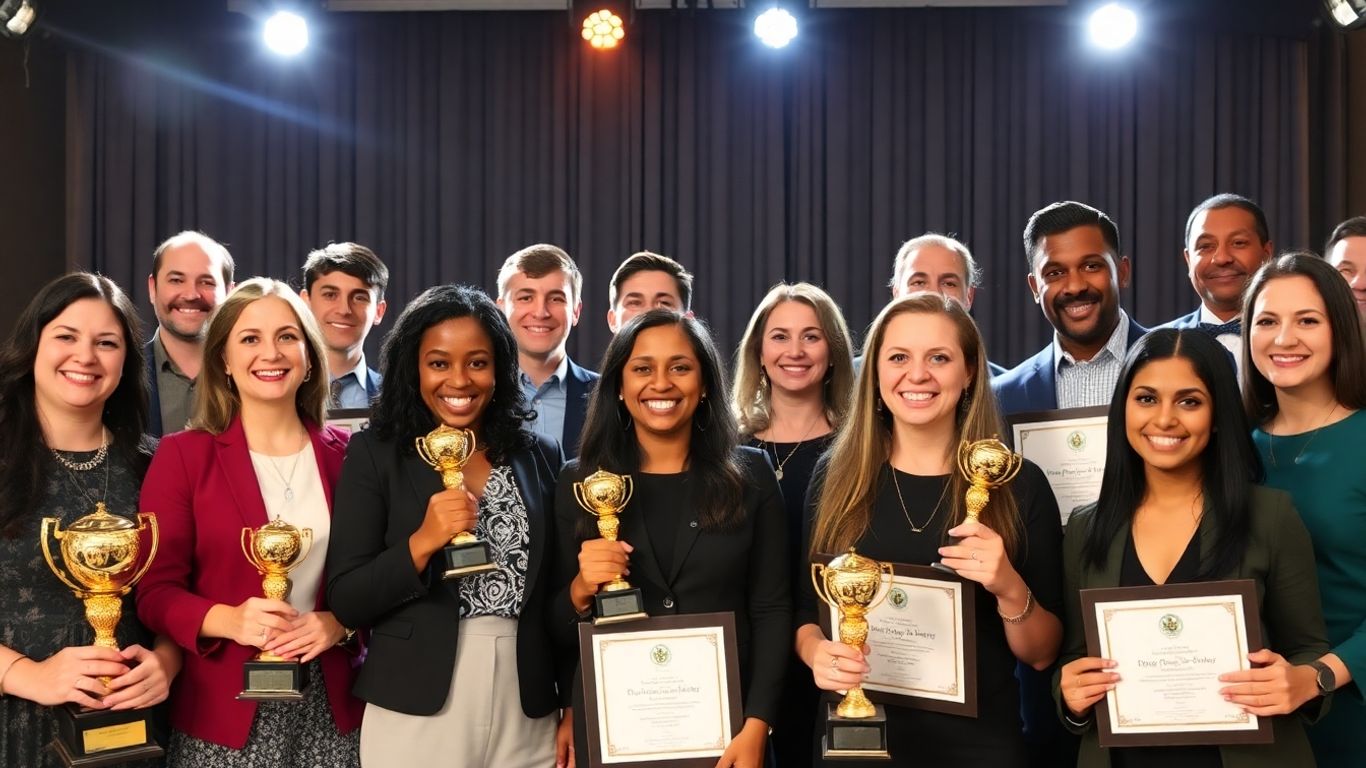
It’s easy to get caught up in individual wins, but let’s talk about what happens when the whole administrative team hits a home run. Celebrating group successes isn’t just about a pat on the back; it’s about building a stronger, more connected unit. When everyone feels like their part in a bigger win matters, it really changes the game for morale and how people work together.
Highlighting Admin Roles in Company Wins
Sometimes, the administrative team’s work is the quiet engine behind a big company achievement. Think about a major project launch or hitting a tough sales target. Who made sure all the moving parts stayed on track? Who handled the communication flow so everyone was in the loop? Often, it’s the admin pros. We need to make sure that when the company celebrates success, the admin team’s contribution isn’t overlooked. It’s about showing that their organizational skills, problem-solving, and sheer dedication were just as important as any other department’s efforts. Making these connections explicit helps everyone see the full picture of how success is built.
Celebrating Team Successes with Dedicated Events
Beyond just mentioning it in a meeting, setting aside specific time to celebrate team wins can have a big impact. This could be anything from a catered lunch where people can relax and chat, to a fun team outing, or even a small, informal awards ceremony. These events give everyone a chance to pause, reflect on what they accomplished together, and just enjoy each other’s company. It’s a way to say, ‘We did this, and we appreciate you.’
Tangible Tokens of Team Appreciation
Giving people something they can hold onto, even if it’s small, can be a powerful reminder of their contribution. This might be a certificate acknowledging the team’s achievement, a small trophy, or even personalized thank-you notes that highlight specific team efforts. These aren’t just trinkets; they’re physical symbols of accomplishment and recognition that team members can keep. It reinforces the idea that their work is seen and valued, not just in the moment, but long after the celebration is over.
When we celebrate team wins, we’re not just acknowledging a past event. We’re investing in future collaboration and reinforcing the value of every single person’s role in achieving shared goals. It builds a sense of shared ownership and pride that can be incredibly motivating.
Putting It All Together
So, when it comes down to it, showing appreciation for the folks who keep things running smoothly isn’t just a nice thing to do. It really makes a difference. When we make an effort to notice and celebrate the work of administrative professionals, whether it’s a quick thank you or a more formal award, we’re not just making them feel good. We’re building a stronger team, boosting everyone’s spirits, and making the whole workplace better. It’s about recognizing that everyone’s contribution matters, and when we do that consistently, we create a place where people want to stay and do their best work. It’s a simple idea, but it has a big impact on how we all feel about coming to work each day.
Frequently Asked Questions
Why is it important to recognize administrative professionals?
Recognizing administrative staff is super important because it makes them feel valued and appreciated. When people feel good about their work, they tend to do a better job, stay with the company longer, and are happier overall. It’s like giving them a boost of energy and showing them their hard work really matters.
What are some simple ways to show appreciation every day?
You don’t need big gestures! A quick ‘thank you’ in person or in a message, giving them a shout-out during a team meeting, or leaving a nice note can make a big difference. It’s all about showing you notice and care about what they do regularly.
How can I make my recognition more personal?
Think about what each person likes. Some people enjoy being praised in front of everyone, while others prefer a quiet thank you. Knowing their hobbies or favorite things can help you pick a gift or a way of showing thanks that feels special and just for them.
What are some long-term ways to recognize administrative staff?
You can offer chances for them to learn new skills or go to training. Celebrating work anniversaries with special gifts or rewards also shows you value their long-term commitment. Having ongoing programs that regularly show appreciation helps too.
How can we create a workplace where everyone shows gratitude?
Leaders should show thanks often so others follow. Encourage everyone to thank each other, maybe through a special app or by having team traditions like writing thank-you notes. Making gratitude a normal part of how everyone talks and acts helps a lot.
How should we celebrate when the whole admin team achieves something together?
When the admin team accomplishes something great, make sure to point out their role in the success. You can have a special team event, like a lunch or a small party, to celebrate their joint effort. Giving them a small award or a thank-you gift as a group is also a nice way to show appreciation.